5 Common Mistakes to Avoid When Setting Up Termite Pipes

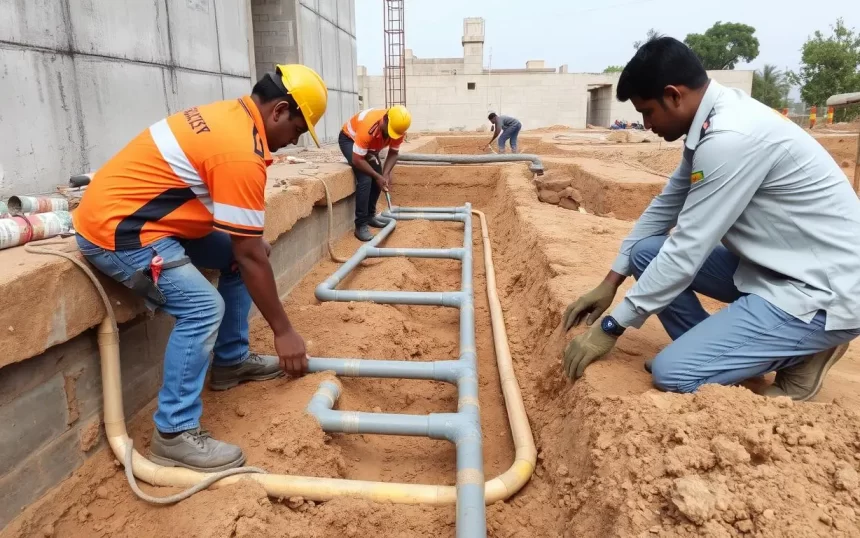
Imagine building a fortress around your property, only to discover its weakest link lies beneath your feet. In Tirupati’s humid climate, where wood-loving pests thrive, underground protection methods often determine whether your structure stands strong or crumbles silently. Modern solutions use specialized networks of porous tubing to create invisible shields against destructive invaders.
These innovative setups rely on precisely spaced 16mm rubberized pipes installed in grid formations. When done right, they distribute protective treatments evenly across foundations. But one misplaced connection or miscalculated gap can render the entire arrangement useless. Research shows 40% of premature system failures stem from installation errors – mistakes that surface only when damage becomes visible.
Why do so many homeowners and builders overlook critical details? Some assume these setups work like conventional pest control methods. Others underestimate how soil composition and regional weather patterns affect chemical dispersion. The truth? Proper implementation requires understanding both engineering principles and local environmental factors unique to areas like Tirupati.
Key Takeaways
- Underground grid designs require exact 5-foot spacing for full coverage
- Rubberized membrane pipes ensure consistent chemical distribution
- Professional installation prevents gaps in protective barriers
- Climate-specific adjustments boost long-term effectiveness
- Post-installation service checks maintain system integrity
Introduction: Importance of Proper Termite Prevention and Pipe Installation in Tirupati
Warm breezes and rich soils make Tirupati perfect for more than temple visits. Beneath the surface, silent invaders feast on wood and concrete. Local builders face a constant battle against insects that chew through structures faster than monsoon rains erode hillsides.
India’s Hidden Housing Hazard
Our subcontinent’s sticky summers create all-you-can-eat buffets for wood-loving pests. Soil types in coastal Andhra Pradesh let colonies tunnel undetected for months. One study found 78% of local buildings show damage within five years of construction.
Building Protection That Lasts
Traditional spray methods fade like rangoli colors after Sankranti. Modern networks use underground channels to refresh protective treatments. When installed correctly, these grids create invisible shields that adapt to seasonal ground shifts.
Key benefits of professional setups:
- Chemical refresh every 36 months keeps barriers potent
- Specialized piping prevents soil contamination
- 20-year coverage matches typical mortgage periods
Proper placement matters more than people realize. A single missed spot near plumbing entry points can undo an entire defense plan. That’s why certified technicians map layouts using soil moisture data and architectural blueprints.
Choosing the Wrong Pipe Material
The foundation of any reliable pest defense lies in materials that outlast both weather and wear. Picture laying armor beneath your home – would you trust brittle plastic or flexible, chemical-resistant rubber? This choice determines whether your setup crumbles in three years or protects for decades.
When Cheap Materials Cost More
Rigid PVC might save money upfront, but it cracks like biscuit crust under pressure. Contractors report “pump-up failures happen most with plastic pipes that snap during concrete pours.” Once broken, these tubes leak termiticide unevenly – like watering plants with a torn hose.
Seeking Lasting Solutions
Smart choices start with 16mm rubberized piping. Its recycled construction bends around roots and foundations without kinking. The secret? Tiny perforations create random drip patterns that mimic nature’s rainfall. This erratic flow prevents dry zones where pests might slip through.
Look for these features:
- Continuous flexibility ratings over 180° bends
- Pressure resistance above 40 PSI for pump tests
- UV-stable labeling for above-ground sections
Remember – 7 in 10 service calls involve cracked pipes. Spending ₹15 extra per meter now could save ₹15,000 in repairs later. As one technician puts it: “Good pipes whisper; bad ones scream when they fail.”
Incorrect Pipe Placement and Layout
Laying pipes haphazardly is like playing chess without a strategy – every move determines your defense’s strength. Even high-quality materials fail when installed without precision, leaving hidden entry points for wood-destroying pests.
Why Grid Patterns Matter
A 5-foot grid design acts as an underground safety net. Research shows this spacing allows protective treatments to overlap, creating continuous barriers. Installers who skip center flooring lines risk creating “dead zones” – areas where chemicals can’t reach.
Proper depth matters too. Pipes placed 6 inches below flooring stay protected from surface damage while allowing even dispersion. One builder shared: “We fixed 14 failed installations last month – all had pipes buried too deep or shallow.”
Timing and Technique Essentials
Schedule pipe installation just before sand bed preparation. This timing lets workers:
- Adjust layouts around plumbing lines
- Secure connections before concrete pours
- Test chemical flow patterns
| Practice | Benefit | Risk If Ignored |
|---|---|---|
| 5-foot grid spacing | Full chemical overlap | 38% coverage gaps |
| Pre-sand bed installation | Stable positioning | Pipe shifts during construction |
| Pressure balancing | Even distribution | Dry spots in corners |
Field tests prove well-designed networks deliver uniform protection across 30-meter spans. Remember – your building’s longevity depends on these hidden patterns as much as visible construction elements.
Poor Sealing and Loose Joints in the Installation
Think of your pest defense like a water supply line – even small leaks can leave entire sections dry. Hidden connections beneath your floors determine whether protective treatments flow smoothly or drip away uselessly. Proper sealing ensures every corner stays guarded against invaders.
Consequences of Leaks and Chemical Inefficiency
Loose joints act like cracked teacups – they spill precious protection where you need it most. When connections fail, termiticide emulsion pools near junction boxes instead of reaching distant pipes. Field tests show a single broken clip can reduce coverage by 40% in 18 months.
Common trouble spots include:
- Black plastic clips that snap under soil pressure
- Rigid clamps bending flexible pipes
- Unsealed edges around service access points
Techniques for Achieving a Secure Seal
Smart sealing starts with compression fittings that hug pipes without squeezing. Professionals use UV-resistant sealant around junction boxes – these blend with wall colors while blocking moisture. Always leave service panels accessible for refills.
| Practice | Benefit | Risk If Ignored |
|---|---|---|
| Compression fittings | Even pressure distribution | Pipe warping |
| Silicone-based sealants | 10-year flexibility | Gap formation |
| Flexible connectors | Absorbs ground shifts | Connection pops |
Remember – low-pressure chemical induction keeps networks stress-free. As one expert notes: “Good seals whisper; bad ones scream when they fail.” Schedule annual service checks to maintain your silent guardians.
Skipping Professional Consultation for Termite Installation
Cutting corners on expert guidance often leads to expensive repairs down the road. Many builders select installation teams based solely on price, not realizing some companies operate with minimal training. These quick-certificate crews might use substandard materials or miss critical design details.
Also Read :
Effective Termite Control with Reticulation Systems
Risks of DIY Installations
Unlicensed teams often treat reticulation setups like simple plumbing jobs. One contractor shared: “We’ve seen pipes buried under concrete rubble – completely blocking chemical flow.” Without proper licensing, installers might:
- Overlook soil composition differences
- Use connectors that corrode in monsoon rains
- Place access panels in inaccessible locations
Advantages of Expert Assessment and Proper Guidance
Seasoned professionals bring decade-spanning knowledge to each project. Since 2010, firms with certified technicians have maintained 97% success rates by:
| Practice | Benefit | DIY Risk |
|---|---|---|
| Blueprint analysis | Prevents plumbing conflicts | 42% rework rate |
| Material audits | Ensures UV-resistant pipes | Early degradation |
| Flow simulations | Verifies full coverage | Treatment gaps |
Proper consultation adds years to your system’s lifespan while meeting local building codes. As Mumbai-based engineer Priya Shah notes: “A ₹5,000 saving today could mean ₹50,000 in structural repairs later.” Schedule annual service checks to keep defenses strong through seasonal changes.
Neglecting Periodic Maintenance of Termite Systems
Your home’s silent guardians need check-ups too. Like changing your car’s oil or servicing AC units, underground defenses require scheduled care to stay effective. Overlooking this can turn a smart investment into costly repairs.
Why Check-Ups Matter
Protective barriers weaken over time. Soil shifts and weather changes create gaps where pests slip through. Professionals spot these issues during routine inspections. One homeowner learned this the hard way – skipped maintenance led to ₹2.8 lakh in structural repairs.
Smart Scheduling Saves Money
Recharge treatments every 36 months using 5 liters per square meter. This keeps chemical levels strong without overspending. Modern setups like Termex use durable junction boxes that withstand pressure tests. Three-year cycles align with warranty requirements and prevent coverage lapses.
Proper care extends service life beyond 35 years. Compared to drill-and-fill methods, regular top-ups cost 60% less over two decades. Schedule checks before monsoon seasons when pests swarm. Certified technicians verify pipe integrity and chemical flow patterns during visits.
Remember – warranties require proof of service. Keep records like you would for appliances. A little attention today keeps your property safe for decades.
FAQ
How does pipe material affect termite prevention?
Why is pipe placement crucial for pest control?
What happens if joints aren’t sealed properly?
Can I install a termite system myself?
How often should I inspect my termite system?
Are chemical barriers safe for homes?
Does flooring type influence pipe installation?